
After painting several freight cars recently, it was time to decal. I want to display a few of these cars at the upcoming RPM-East prototype modeler meet. I often field questions about decal application, so let’s review some tools and processes.
Notes on Designing, Building, and Operating Model Railroads
A hobby adventure
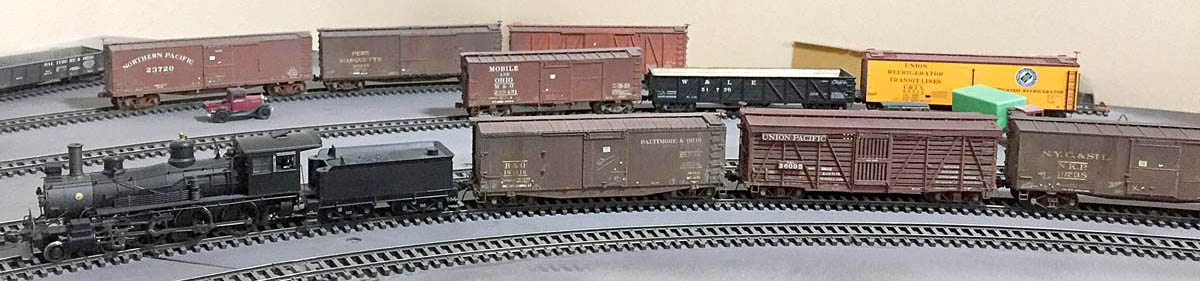
After painting several freight cars recently, it was time to decal. I want to display a few of these cars at the upcoming RPM-East prototype modeler meet. I often field questions about decal application, so let’s review some tools and processes.

Dave Parker sent a summary of this fine new HO scale plastic tank car model. Here’s Dave with his impressions of the model.
For about a decade, Tangent Scale Models has developed a reputation for exquisitely detailed and meticulously lettered ready-to-run (RTR) freight cars (and kits) – at reasonable prices. Heretofore, Tangent’s models have largely appealed to transition- and modern-era modelers. The only offerings that (barely) made the cut for 1920s modelers were the 1930 STCX and 1929 COSX three-dome tank cars. A brief review can be found in the guide to 1920s HO scale plastic freight cars.
Continue reading “Tangent Scale Models General American 1917-Design Tank Cars”
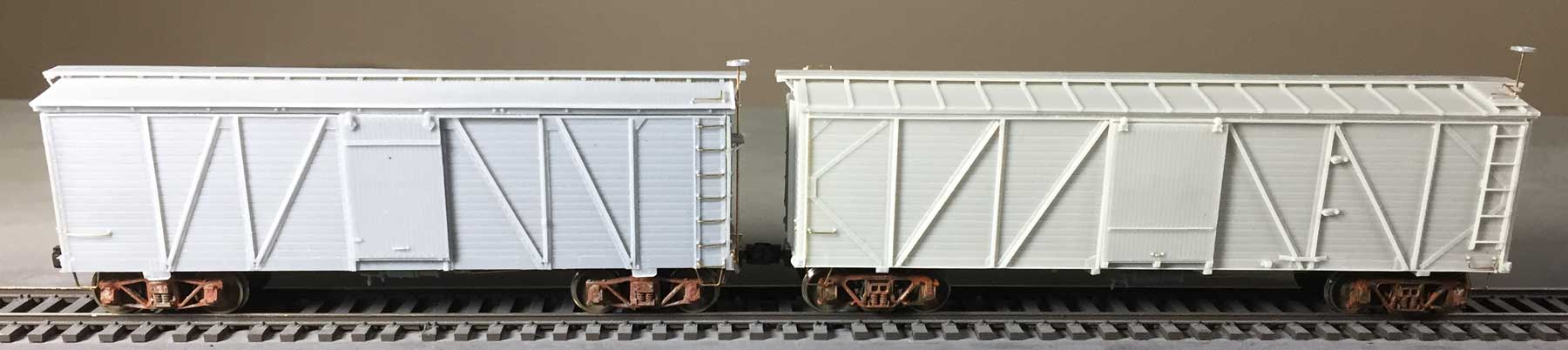
It has been awhile since I tackled a resin freight car kit, so I dove into a Westerfield box and got something rolling. I’ve long wanted to build one of the Canadian Pacific 36-foot, single-sheathed Fowler design box car kits. There were plenty of prototypes rolling around in 1926. The kit built quickly with only a couple of head scratching spots. I liked it so much that I also built a kit for a similar 40-foot Fowler design clone! Follow along on the latest resin freight car kit build.
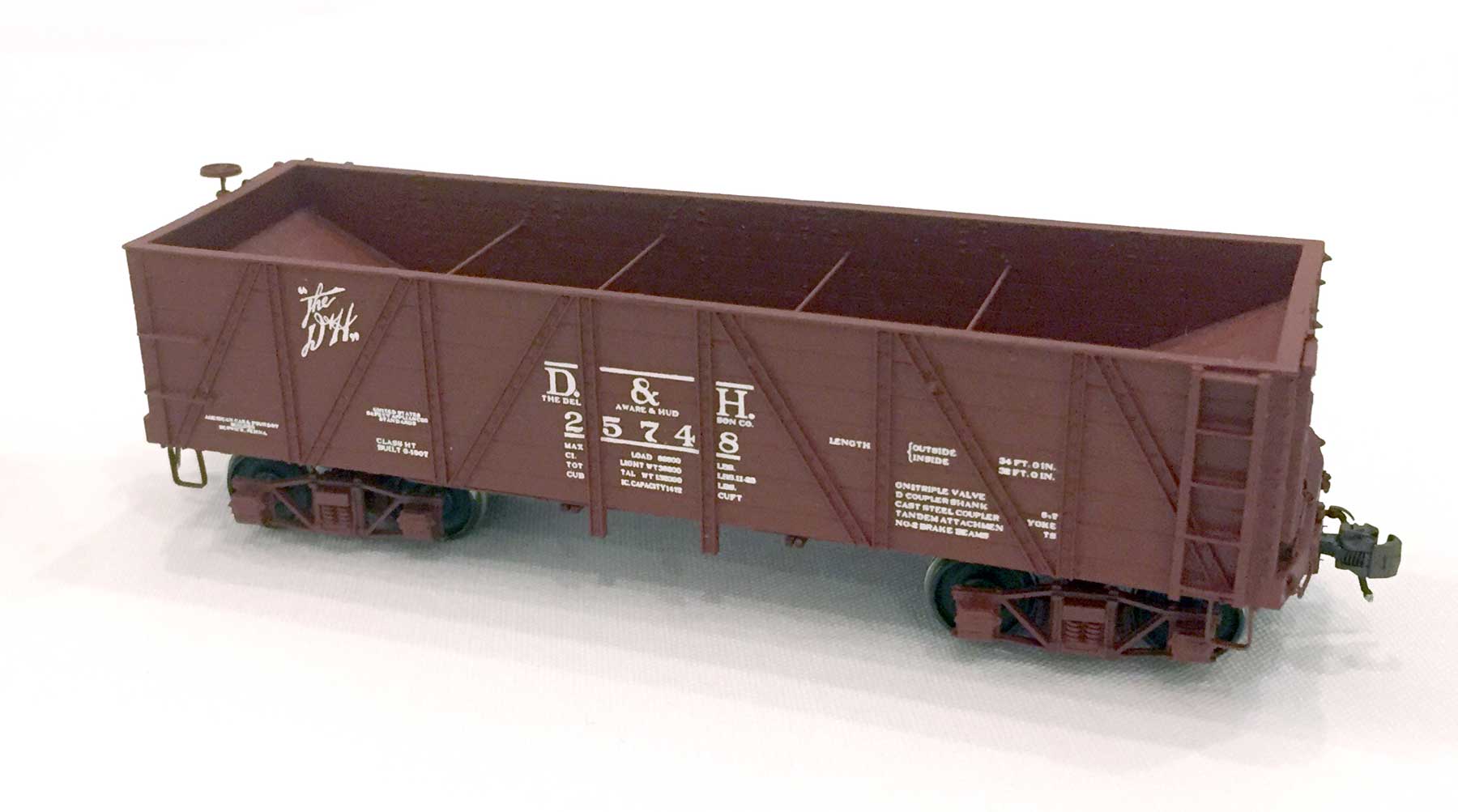
Harold Oakhill has been busy with a fascinating project. He shares the following update.
I recently finished assembling the first two Delaware & Hudson Seley Hopper “kits” that have been produced with the help of Dave Campbell, Ray Breyer, and Aaron Gjermundson. These were displayed at the recent RPM Chicagoland meet in Lisle, Illinois.

I had a moment recently to take my time and review model images from the recent RPM Chicagoland meet. I found there were quite a few models representing prototypes built in the Teens and Twenties, but wearing later era paint and lettering. One of the prime examples leads off this blog post.